

EU states' nod on Mercosur trade deal
European Union ambassadors provided provisional approval to the long-awaited free trade agreement with Mercosur, marking the end of negotiations that began 25 years ago.
The deal covers Mercosur's founding members: Argentina, Brazil, Paraguay, and Uruguay. It represents the EU's largest-ever tariff reduction pact, eliminating 4 billion euros ($4.66 billion) in duties on EU exports such as car parts, dairy products, and wines.EU exports primarily include machinery, chemicals, and transport equipment, while Mercosur supplies agricultural products, minerals, pulp, and paper.
Bilateral goods trade reached 111 billion euros ($129 billion) in 2024.The European Commission views the agreement as essential for accessing new markets to counter U.S. tariffs and decreasing dependence on China for critical minerals. Major supporters include Germany and Spain.
Germany welcomed the outcome, with Finance Minister Lars Klingbeil stating it "sends an important signal" by prioritizing new partnerships amid growing protectionism elsewhere.
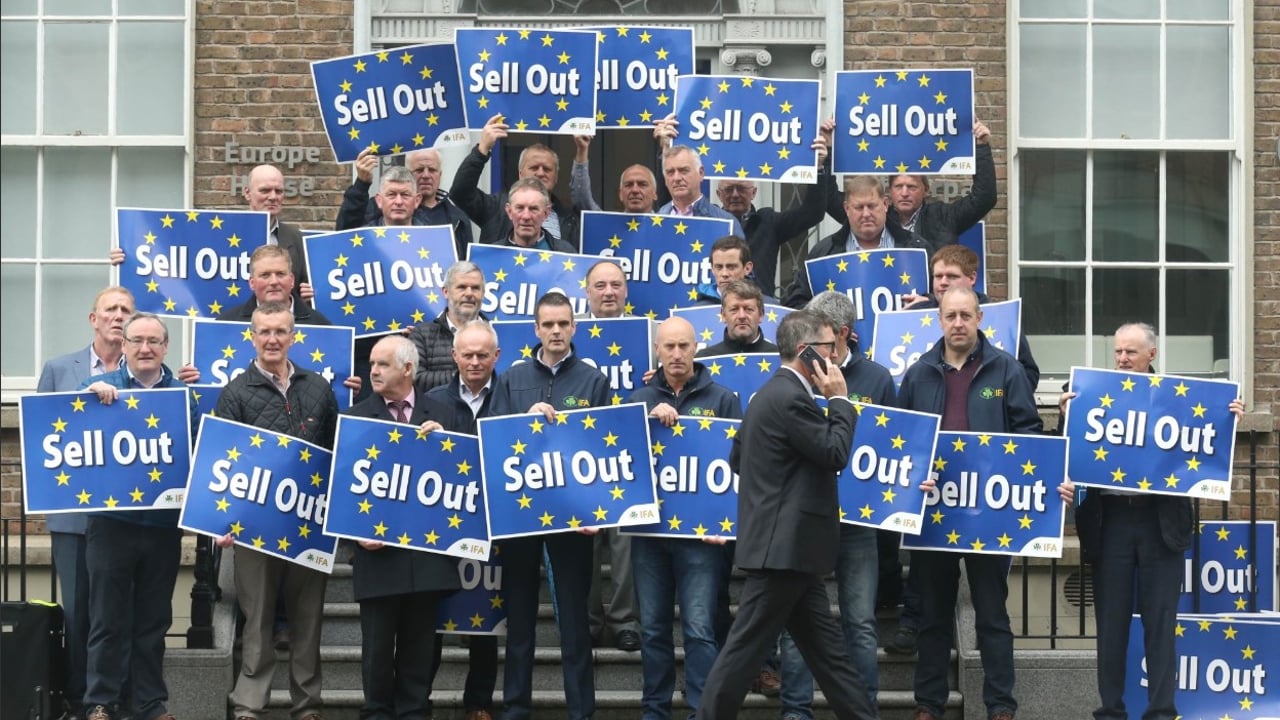
A qualified majority approved the deal, with at least 15 countries representing 65% of the EU population in favor. France, Poland, Hungary, Austria and Ireland stayed opposed, Belgium abstained, while Italy shifted to support after concessions.

France, the EU's top agricultural producer, has led resistance, citing risks from increased cheap imports of beef, poultry, and sugar that could undercut local farmers.
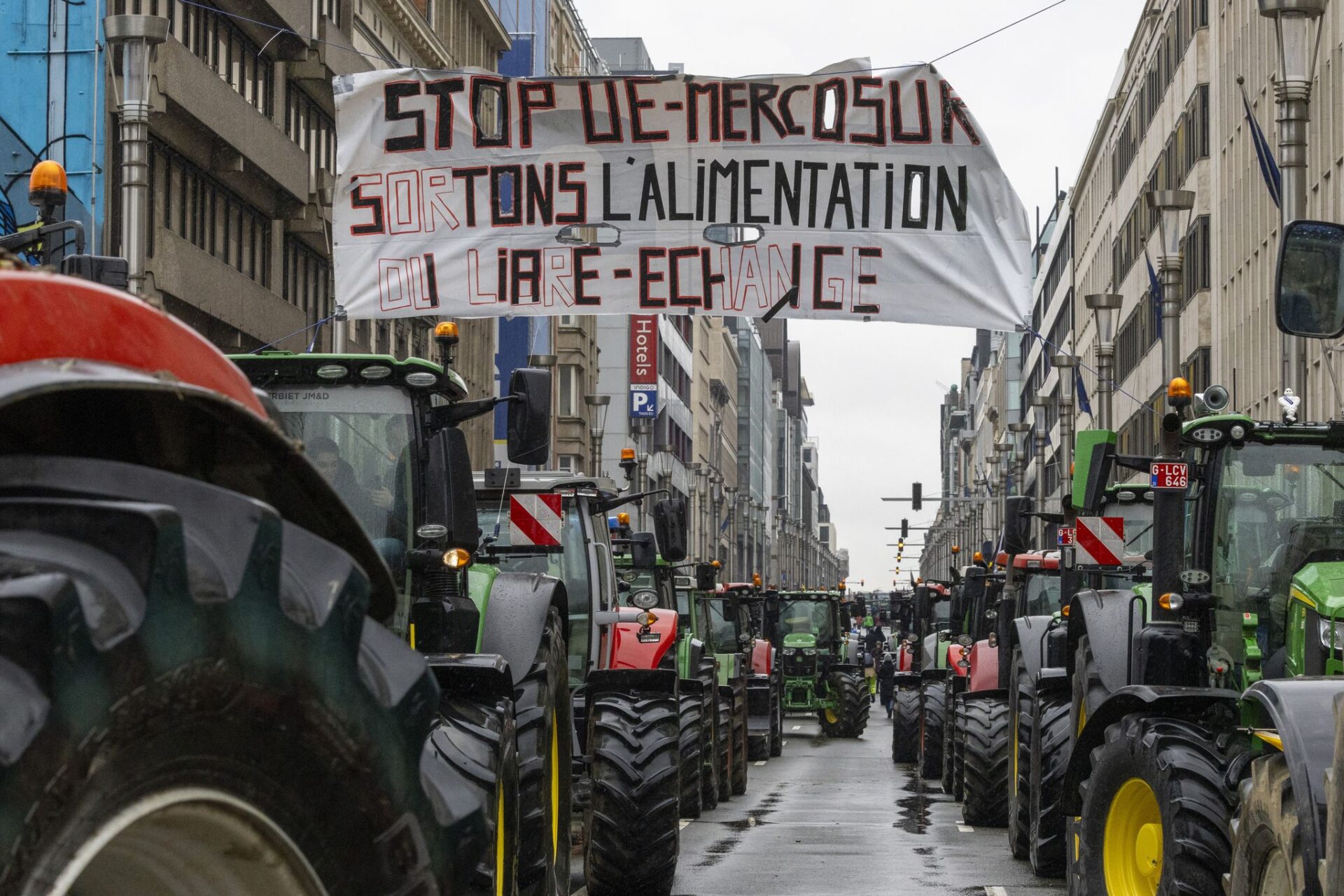
To address concerns, the Commission introduced safeguards for suspending sensitive agricultural imports, enhanced controls on pesticide residues, a crisis fund, faster farmer support, and reduced duties on fertilizers.
The approval paves the way for Commission President Ursula von der Leyen to sign the deal with Mercosur partners, potentially next week. It still requires European Parliament approval in the coming months, where opposition—particularly from France—may lead to a close vote. Environmental groups, such as Friends of the Earth, have criticized the accord as "climate-wrecking."
Farmers across Europe have been protesting against the deal.