
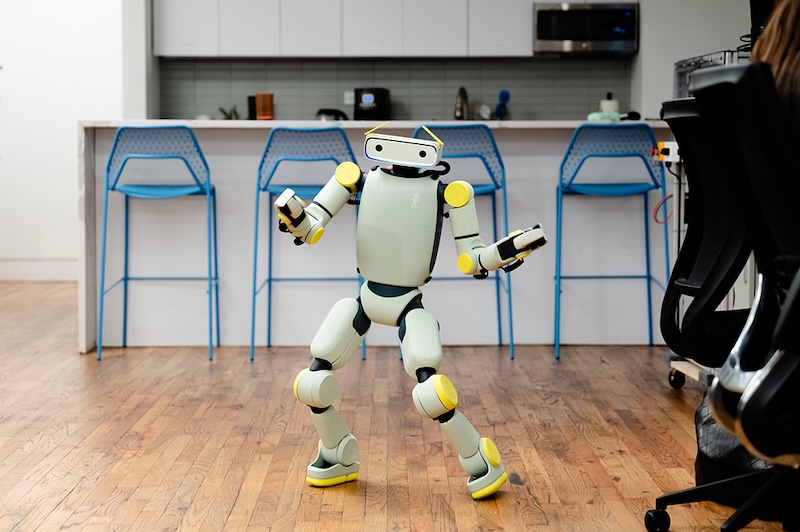
Fauna launches $50k humanoid robot
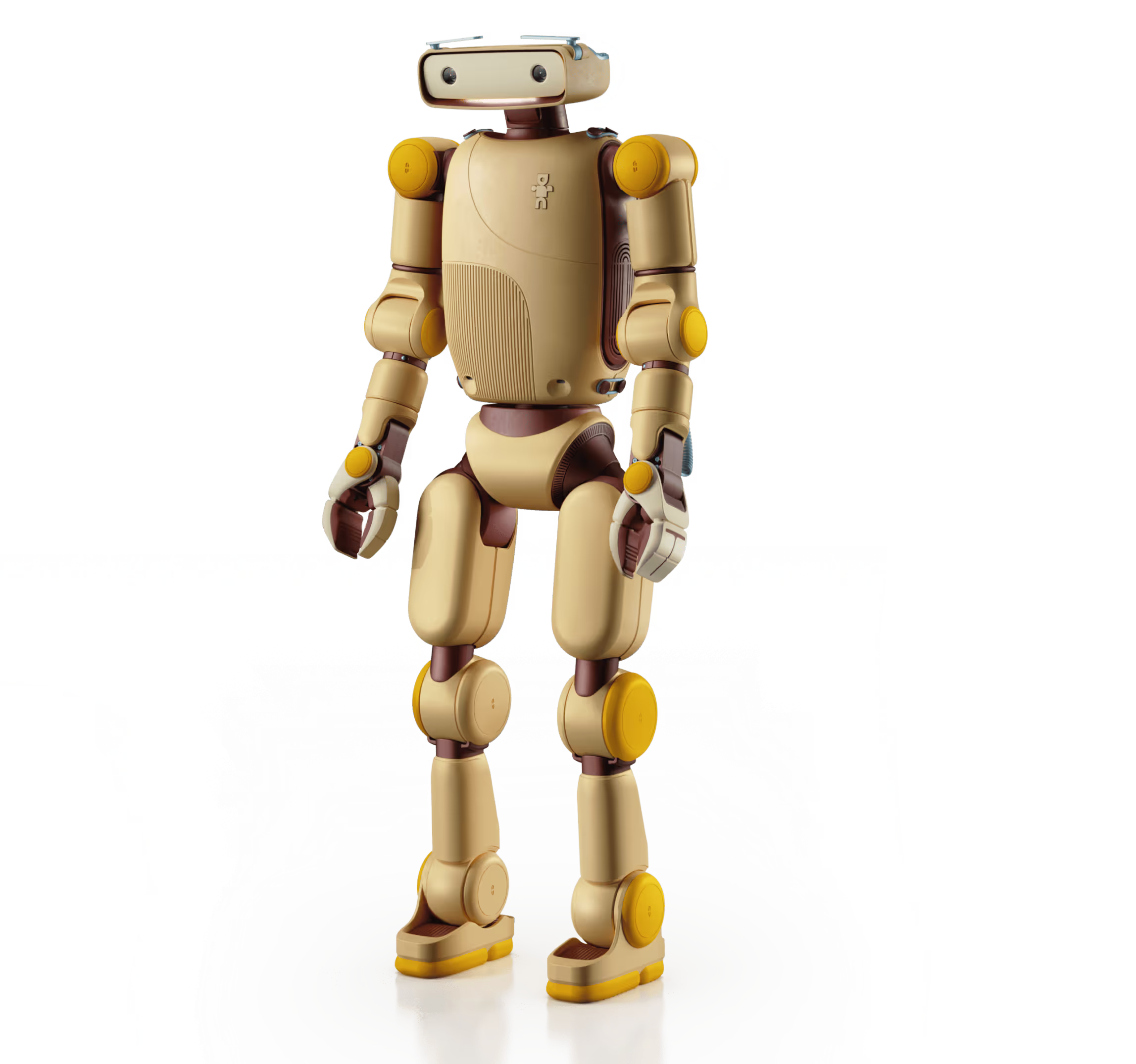
Fauna, a New York-based startup founded by veterans from Meta, Google DeepMind, and other tech firms, today launched Sprout, a 3.5-foot-tall humanoid robot priced at $50,000 and built specifically for safe operation in human-centric environments such as hotels, offices, entertainment venues, and homes.
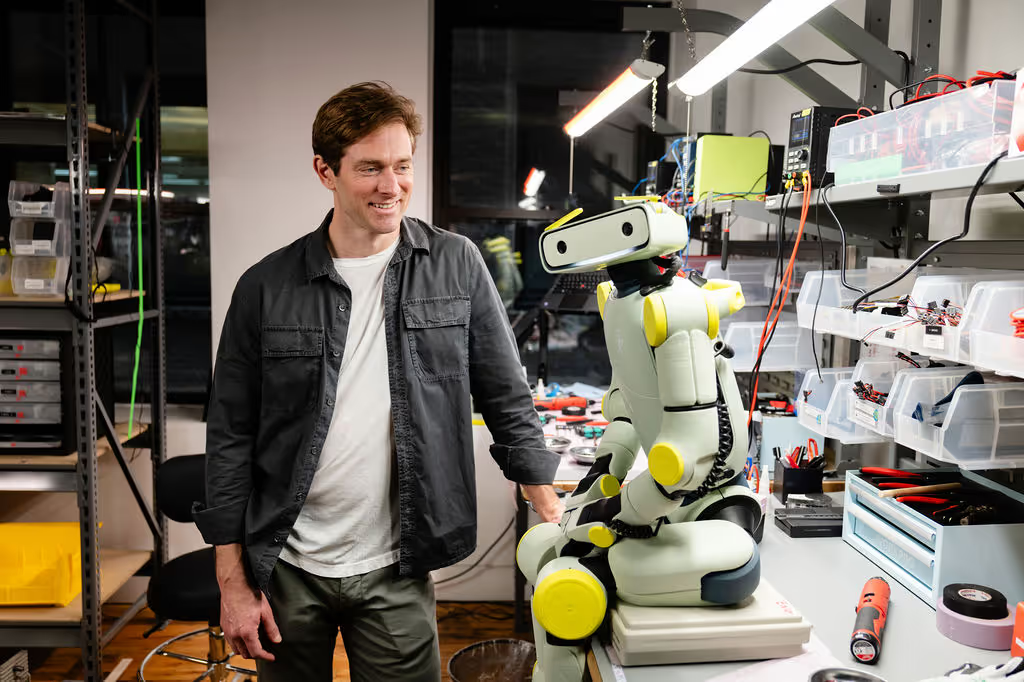
Unlike most competitors—including Tesla, Figure AI, Agility Robotics, and 1X—that target industrial tasks in factories and warehouses, Fauna focuses on service sectors facing labor shortages in hospitality, healthcare, and education. The company notes that over 80% of the workforce is in services rather than manufacturing. Sprout is lightweight, soft to the touch, quiet, and free of sharp edges or pinch points. It features an expressive face with mechanical eyebrows to signal interest, surprise, or confusion, encouraging approachable interactions.
The robot navigates autonomously, scans surroundings, interprets natural language commands using large language models, performs basic tasks, and recovers from stumbles via proprietary balance technology. In a demo, CEO Robert Cochran asked Sprout to check a fridge; it walked over, peered inside, and reported several sodas.
Cochran described the design intent:
"We said, 'What if we could build something lightweight, engaging, and safe to be around, and capable enough to do some exciting things?'"
Fauna offers Sprout as a developer platform with pre-integrated movement, perception, navigation, expression, modular software libraries, and teleoperation, aiming to enable rapid community-driven advances in human-centered robotics.
In Sprouts' press release co-founder and CEO, Rob Cochran says:
The real promise of robotics is helping people where they actually lead their lives: homes, schools, offices, and all the spaces in between. The robots we grew up watching weren't industrial tools. C3PO, Rosie Jetson, WALL-E - these were all helpers, sidekicks, and companions. They were curious, reliable, and full of heart. In the real world, robots have looked nothing like this. To date, robotics efforts have delivered heavy machinery - understandably housed behind safety cages designed to keep humans out.
This is not the only way.
Grounding us in the physical world through tangible, meaningful interaction, robots can be present in a way software alone cannot. People need to be around people - and so do robots. The economics point in the same direction; over 80 percent of today's workforce is in services, not manufacturing. Labor shortages in healthcare, education, and eldercare are already here and getting worse. The need for robots in human spaces is urgent, and for the first time, the technology is within reach.