
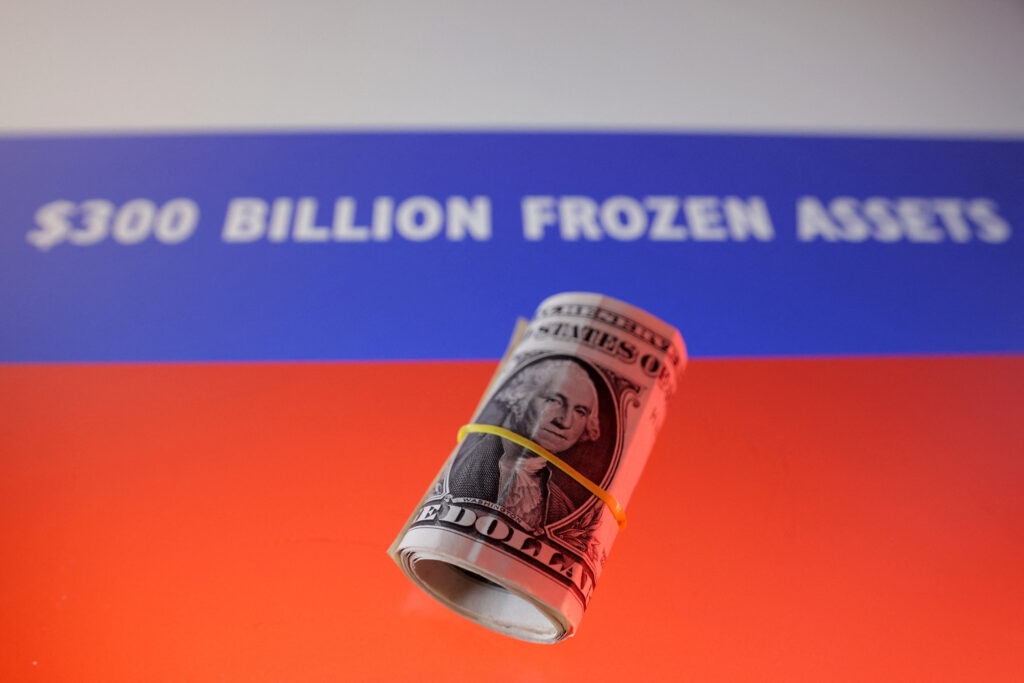
US pressures EU countries to use frozen Russian assets
The United States has directly notified European Union nations of its demand to immediately incorporate frozen Russian assets into a Ukraine settlement. Officials confirm the Trump administration has made clear it wants control over the funds now, transforming the issue from potential seizure to inevitable execution by American hands.
"If the E.U. doesn’t seize the assets, the U.S. will do it," stated Agathe Demarais, European Council on Foreign Relations fellow. "So it’s not a question of whether the assets will be seized anymore, but a question of by whom."
Trump envoy Witkoff's plan allocates $100 billion of the $246 billion frozen reserves for U.S.-led Ukraine reconstruction, placing the rest in a joint U.S.-Russian investment vehicle. U.S. officials continue pressuring European leaders, including Belgium's De Wever, to release the assets.
A former senior Western banker in Moscow noted Russia expects the White House to secure a share, potentially redirecting funds from Europe. Trump's decision to halt further Ukraine funding accelerates the push, leaving Europe facing taxpayer burdens without American aid.
Failure to act risks Ukraine's military and economic collapse by 2026, allowing conflict spillover. Russia counters with direct threats: the Kremlin warned De Wever personally of eternal consequences for confiscation.
Medvedev threatened Belgium could "disappear" using nuclear-capable Poseidon drone. Belgium endured multiple drone incursions targeting airports, military bases, and nuclear sites in early November. European security officials brace for intensified hybrid attacks following the summit decision. De Wever resists, labeling asset seizure unprecedented theft of sovereign funds.