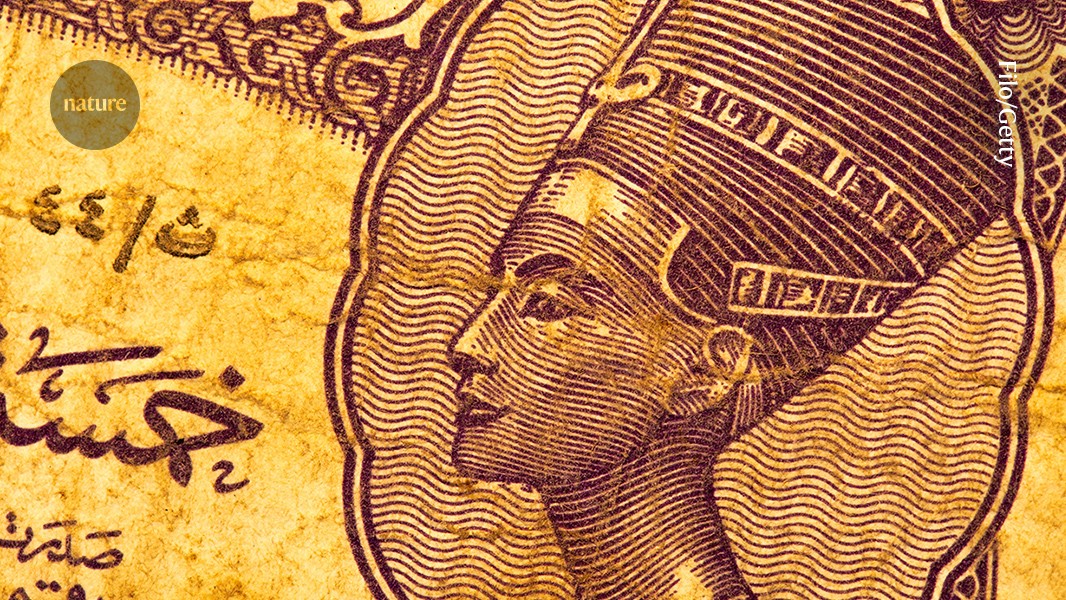
History is not finished. New excavations, scans and released files keep changing what we know about the past, from the pyramids of Egypt to the secret decisions of the 20th century. This page collects our reports on archaeological discoveries, ancient civilizations and declassified history. Every story links to its original source, so you can read it yourself.
What lies beneath
Egypt is still the center of many of the biggest finds. More than a hundred years after Howard Carter discovered the tomb of Tutankhamun in November 1922, researchers use radar and other scans to look for hidden chambers next to it. In November 2025, Egypt opened the Grand Egyptian Museum near the pyramids of Giza, the largest museum in the world dedicated to a single civilization, where the complete treasure of Tutankhamun is shown together for the first time.
Not every claim holds up. In 2025, a group of researchers said their scans showed a vast structure deep under the Giza pyramids. Leading Egyptologists rejected the claim, and no peer-reviewed study has confirmed it so far. We report claims like this as claims, together with the experts who doubt them.
Around the world, archaeologists keep finding traces of cultures we know little about: tablets in unknown scripts, sunken settlements, cities hidden under forest that only laser scans from the air can reveal. Some of them push the history of human civilization further back than textbooks say.
Secrets in the archives
Hidden history is also written on paper. Governments keep files classified for decades, and their release often changes how events are understood. In 2025, the U.S. government released tens of thousands of pages on the assassination of President John F. Kennedy, and a task force of the U.S. House of Representatives was set up to push for the release of further secret records. Old intelligence files, military reports and court records regularly add new details to events people thought they knew.
How we cover history and archaeology
- Finds, not fantasies. We link the excavation report, the museum, the study or the released file wherever there is one.
- Dates and doubts. When the age or meaning of a find is disputed, we say who disputes it and why.
- Original records. For declassified history we link the archive, not only the coverage.
Primary sources
- UNESCO World Heritage List: protected sites and their history
- Egyptian Ministry of Tourism and Antiquities: official news on excavations and monuments in Egypt
- U.S. National Archives, JFK Assassination Records: released files on the Kennedy assassination