
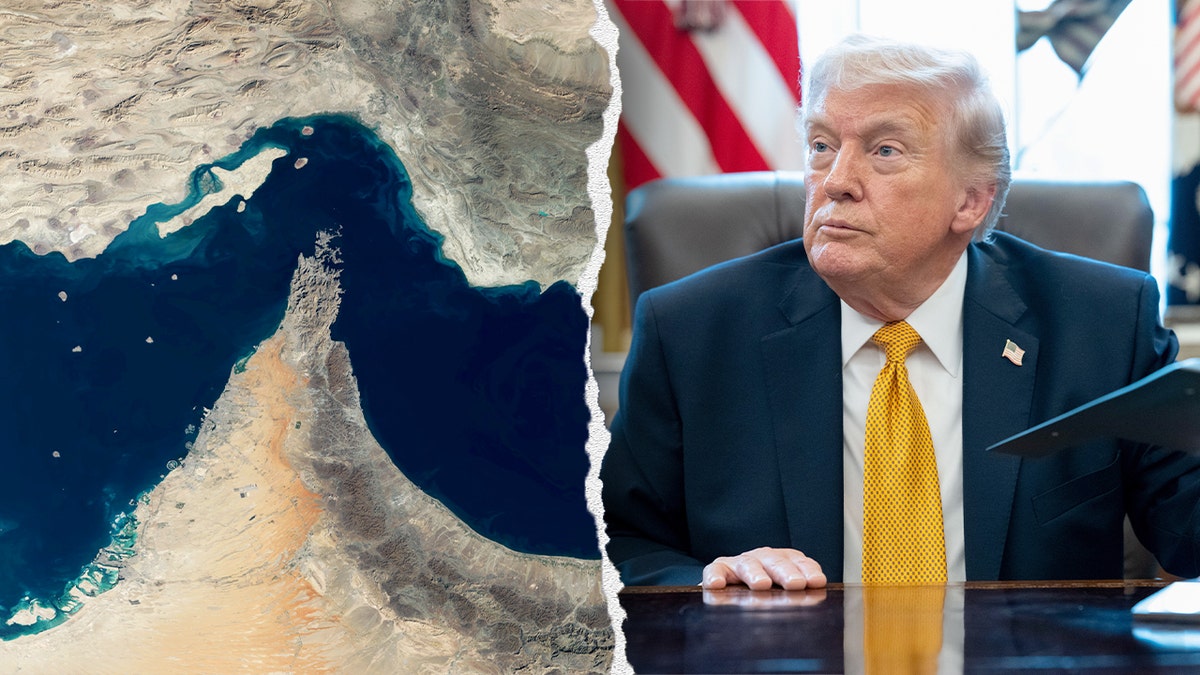
Trump shifts to battle for Hormuz
The White House is bracing for a potential exchange of fire with Iran over the Strait of Hormuz that could stretch from days into weeks, with U.S. officials saying the campaign's length depends entirely on Tehran's next moves.
A conflict that began with the goal of degrading Iran's missile and nuclear capabilities has evolved into an open-ended fight over the world's most critical energy chokepoint. After Iranian attacks on commercial ships, President Trump declared the 60-day ceasefire under the memorandum of understanding over. The U.S. launched a second round of strikes, hitting infrastructure inside Iran for the first time in months, and Iran retaliated against American bases in Kuwait and Bahrain.
Trump then signaled openness to de-escalation, saying Iranian officials had called wanting a deal, though he questioned whether they would honor one. Iranian negotiator Mohammad Bagher Ghalibaf countered that the strait would reopen only on Tehran's terms, accusing Washington of bullying.
The MOU is unraveling over conflicting interpretations of its strait provisions, with Iran objecting to ships using a southern lane near Oman without its approval. Vice President Vance said the U.S. position is simple: the strait must remain open, or the military response will keep coming until Iran stops shooting at ships.