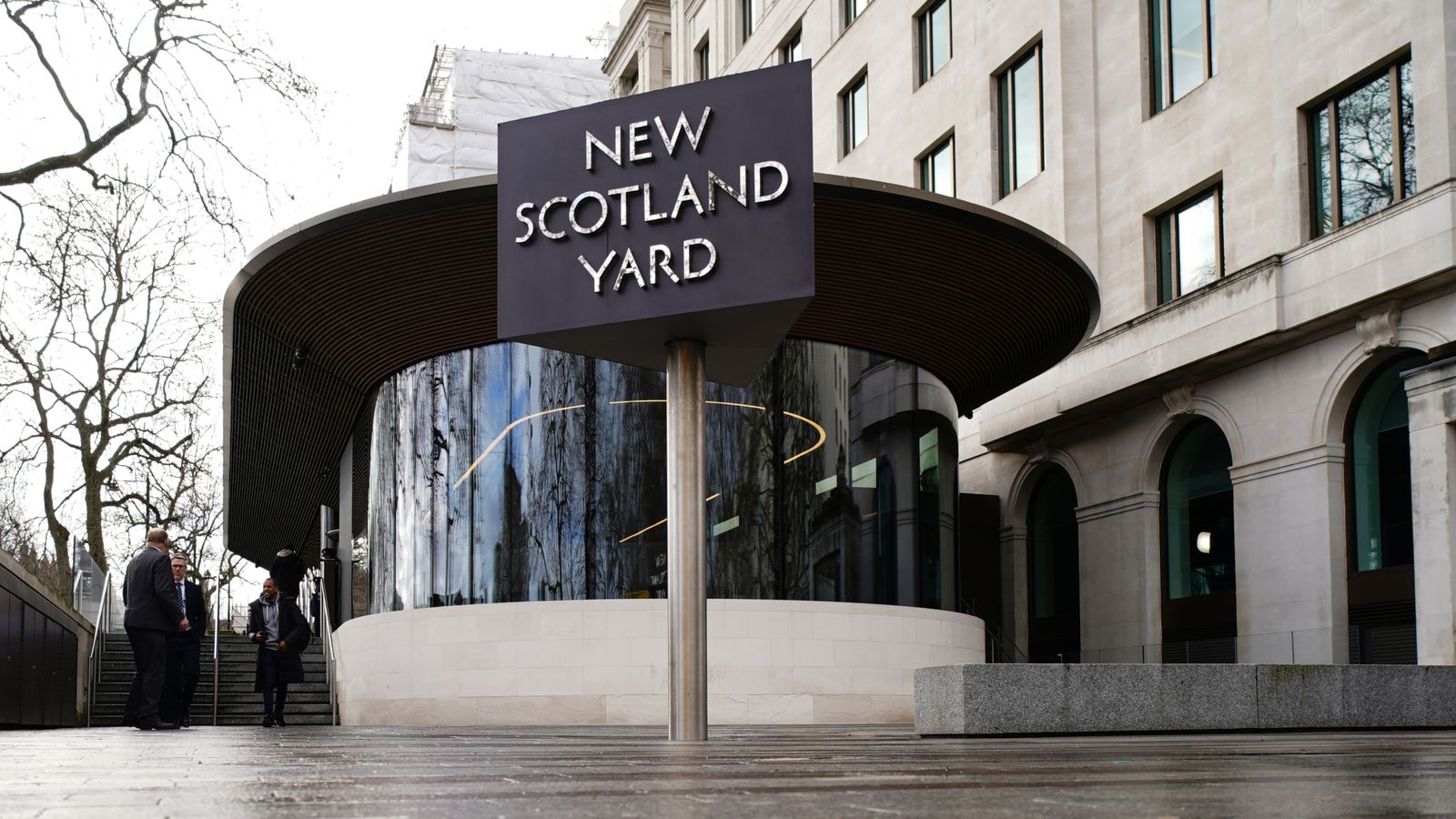
Some of the most important decisions are made in secret: in intelligence agencies, weapons labs and defense contracts that the public only learns about years later, if at all. This page collects our reports on spies, intelligence agencies, surveillance and secret military programs, and on the documents, leaks and hearings that bring them to light. Every story links to its original source, so you can read it yourself.
Why secrecy matters here
Many technologies we use every day began as military projects. The Pentagon’s research agency DARPA, founded in 1958 after the Soviet Sputnik launch, funded the ARPANET, the forerunner of the internet, and early work on satellite navigation, drones, and self-driving cars. What is being built in those labs today often shapes the world a decade later.
Secrecy also hides abuse. In June 2013, former NSA contractor Edward Snowden revealed that the U.S. National Security Agency was collecting phone records of millions of Americans and tapping data from large internet companies. A U.S. appeals court later ruled the phone records program illegal. Since then, leaks, court cases, and official reports keep showing how far surveillance reaches, from spyware on journalists’ phones to hacks of telecom networks by foreign intelligence services.
Today, spy cases between the United States, China and Russia make headlines almost every week, from arrests of agents in Europe to accusations against people close to tech companies. Governments sign large contracts for military and classified work, often with little public debate.
How we cover spies and military secrets
- Documents first. We link the indictment, the contract, the official report or the declassified document wherever there is one.
- Claims are marked as claims. Accusations of spying by governments, companies or whistleblowers are reported as accusations until they are confirmed.
- No speculation as fact. When a capability is only announced or planned, we say so.
Primary sources
- Office of the Director of National Intelligence: annual threat assessments and declassified reports
- CIA FOIA Electronic Reading Room: declassified CIA documents
- U.S. Justice Department, National Security Division: espionage cases and indictments
- DARPA, U.S. Defense Advanced Research Projects Agency: research programs and announcements
- U.S. Department of Defense contracts: daily list of all contracts worth 7.5 million dollars or more
Updated