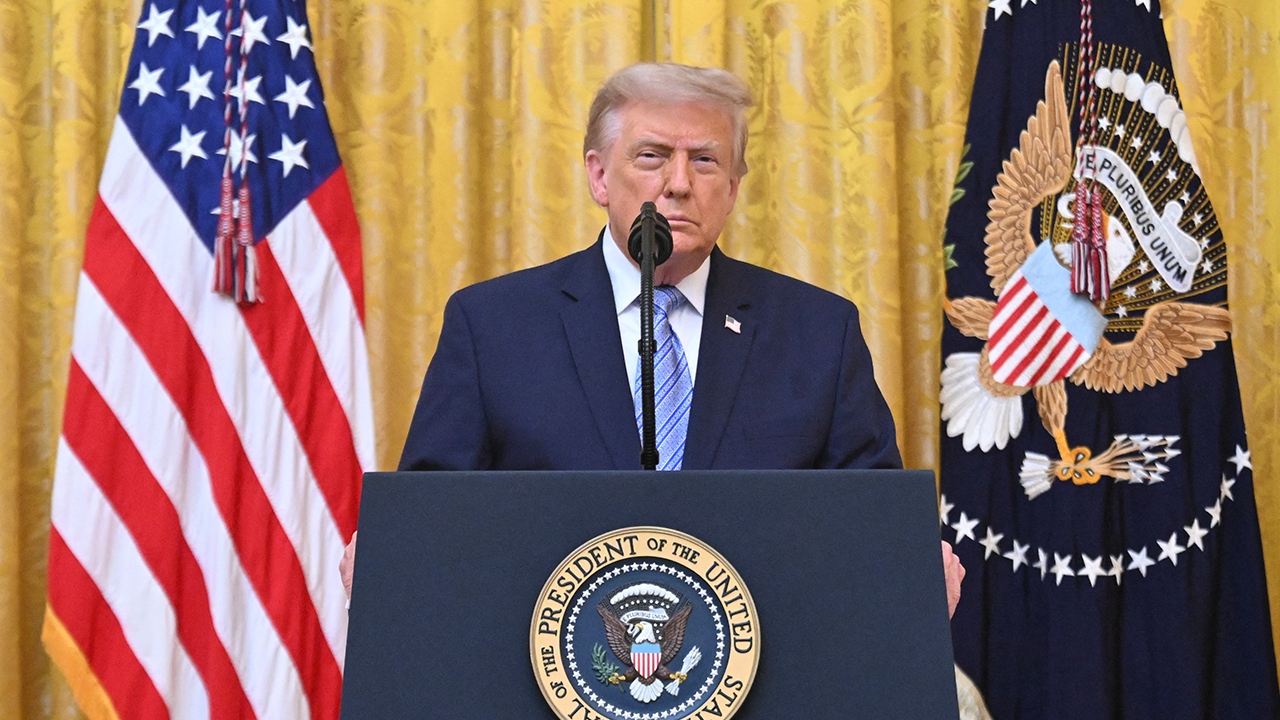
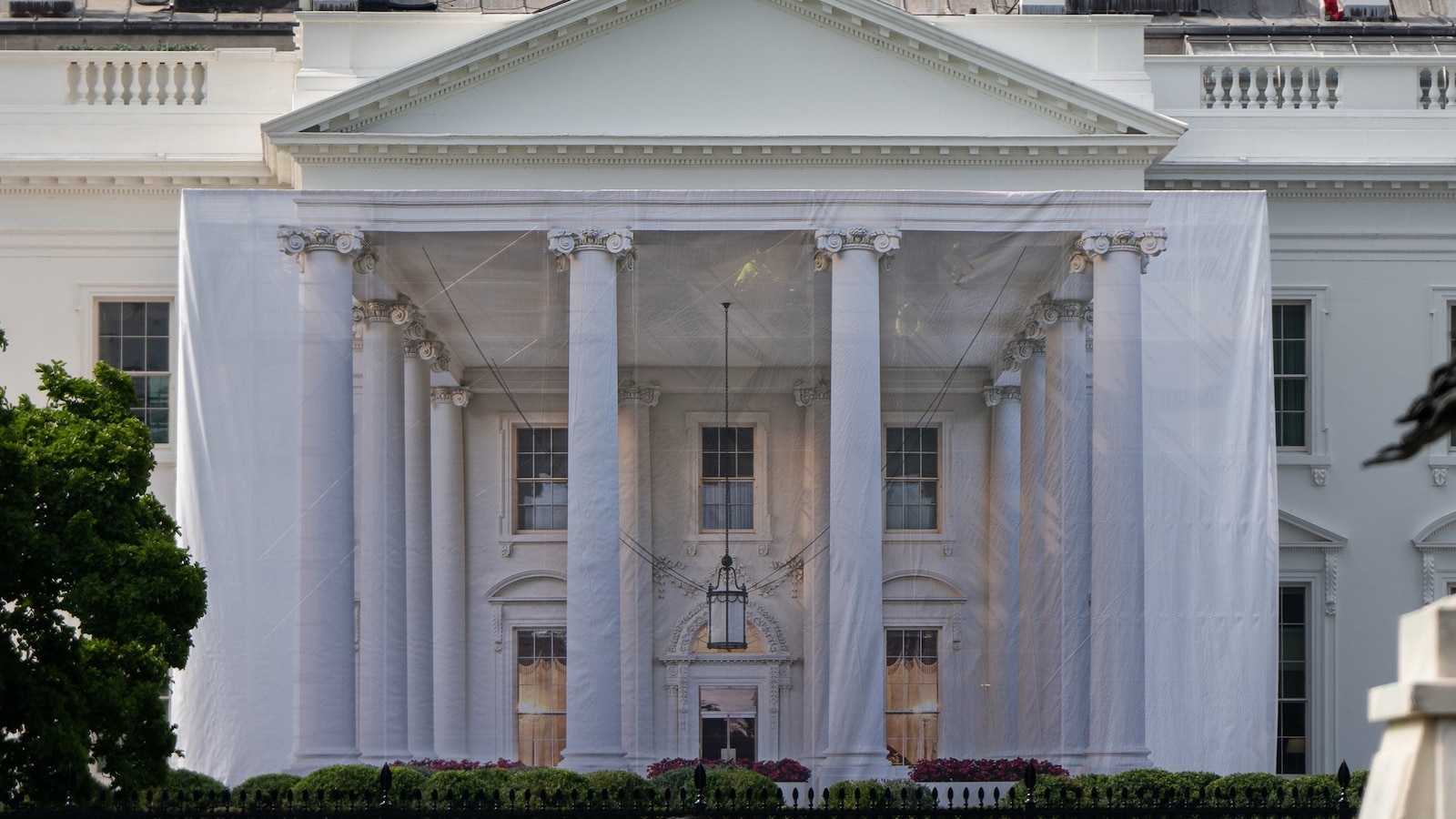
Power in Washington is not only about votes. It is about who gets appointed and who gets fired, which documents get released, which cases get dropped and who pays for access. This page collects our reports on the White House, Congress, the courts and the Justice Department, including the long fight over the Epstein files. Every story links to its original source, so you can read it yourself.
Why it matters beyond the United States
Decisions made in Washington move markets, wars and alliances around the world. Executive orders, Supreme Court rulings and congressional investigations often reach far beyond U.S. borders, and what a president says in the morning can change prices and policies elsewhere by the afternoon.
The Epstein case shows how slowly powerful people are held to account. Jeffrey Epstein died in a Manhattan jail in August 2019 while awaiting trial on sex trafficking charges. For years, lawmakers from both parties pushed to release the government’s files on the case. In November 2025, Congress passed the Epstein Files Transparency Act, which ordered the Justice Department to publish them. What is released, what stays redacted and why, is still contested.
How we cover US politics
- Documents first. We link the bill, the court ruling, the filing or the official statement wherever there is one.
- Claims are marked as claims. Accusations by politicians, lawyers or anonymous officials are reported as accusations until they are confirmed.
- Both parties, same rules. We report on power, whoever holds it.
Primary sources
- Congress.gov: bills, votes and the record of both chambers
- Supreme Court opinions: rulings of the U.S. Supreme Court
- U.S. Department of Justice: indictments, cases and released records
- Federal Register: all executive orders of the president
Updated