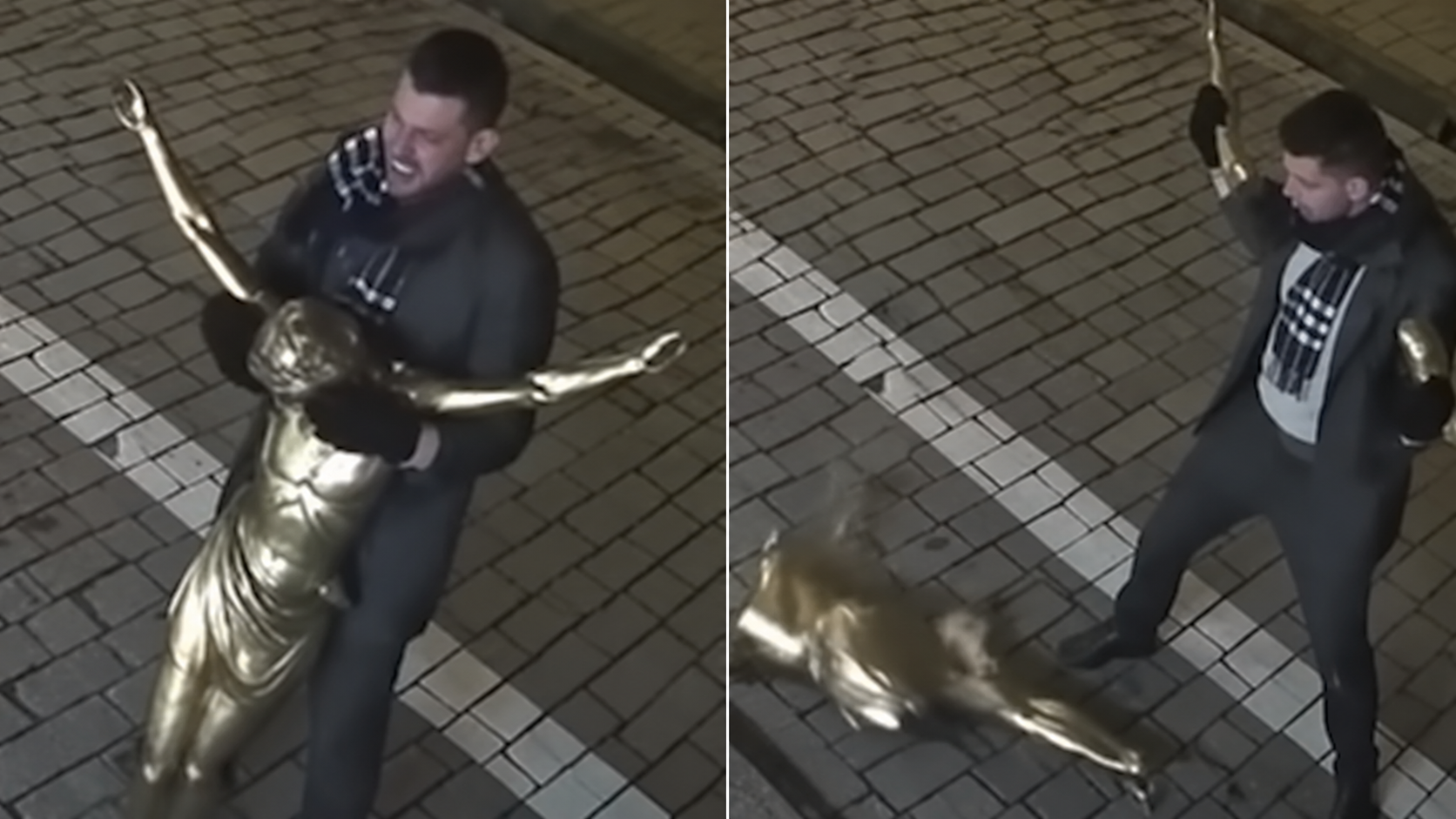
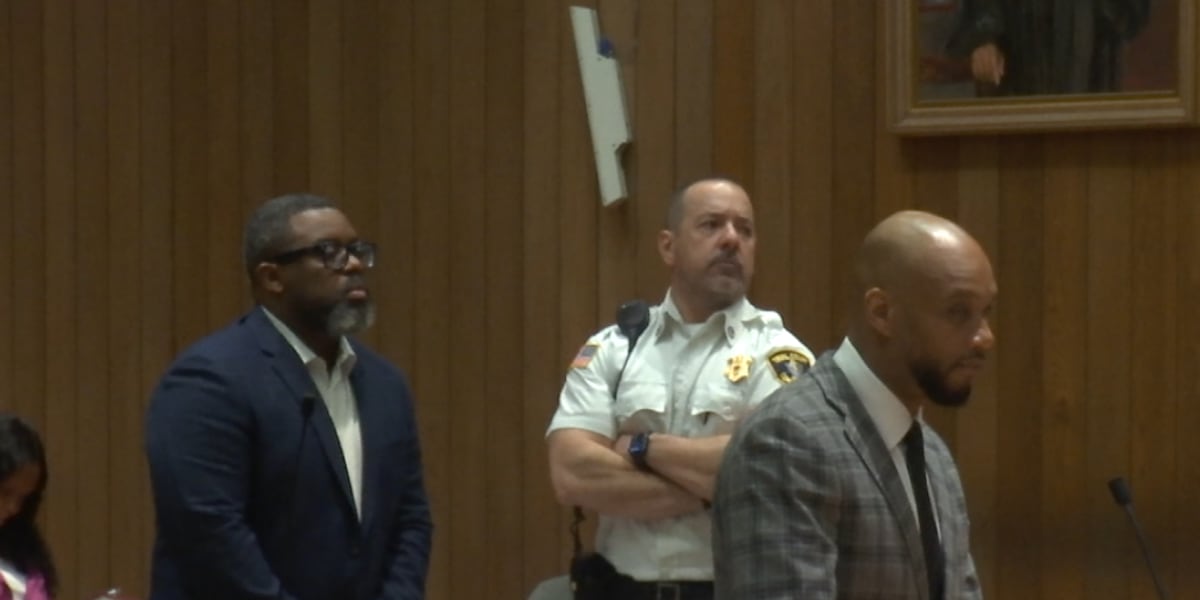
A crime is reported in minutes, but the full story comes out in court, often months or years later. This page collects our reports on crimes, police investigations and criminal trials: from shootings and attacks to fraud and corruption cases, and from the first arrest to the verdict and sentence. Every story links to its original source, so you can read it yourself.
From the arrest to the verdict
The first hours after a crime are full of rumors: wrong names, wrong numbers and guesses about a motive. What holds up is what police confirm, what prosecutors put in an indictment and what a judge or jury decides. Court filings, charging documents and trial testimony are among the most reliable public records there are, and they often reveal what officials did not say at first.
High-profile cases show the whole justice system at work: how police investigate, what prosecutors can prove, how defense lawyers argue and how long it takes until a sentence is handed down. We follow the cases our readers care about through every step.
How we cover crime and courts
- Documents first. We link the police statement, the indictment, the court ruling or the original report wherever there is one.
- Accused is not guilty. We say who is charged with what, and we report a conviction only when a court has ruled.
- Facts over speculation. Early claims about suspects and motives are marked as unconfirmed until officials confirm them.
Primary sources
- U.S. Department of Justice news: federal charges, pleas and sentences
- FBI news: investigations, arrests and wanted persons
- United States Courts: how federal courts work and where to find court records
- Courts and Tribunals Judiciary: judgments and sentencing remarks in England and Wales
Updated